Emotions and Wellbeing Activities for Children
Explore emotions and wellbeing activities for children through fun, inclusive learning resources that encourage emotional understanding, communication, confidence, friendships and everyday wellbeing.
At Inclusive Education NZ, we recognise that children experience and express feelings in different ways. Our activities help children explore emotions, communicate their needs and discover strategies that support their individual wellbeing.
Understanding Emotions and Wellbeing in Children
Emotional wellbeing is an important part of children's learning and development. Children may experience, show and communicate emotions in different ways. These inclusive activities encourage children to recognise feelings, explore emotional regulation and build positive relationships without suggesting there is only one correct way to respond or communicate.
Recognising Feelings
Explore happy, worried, excited, frustrated, calm and other emotions through pictures, matching activities and simple everyday scenarios.
Expressing How I Feel
Practise different ways of showing or communicating feelings using words, pictures, choices, gestures and visual supports.
Calming and Emotional Regulation
Discover calming ideas, sensory choices, movement activities and quiet-time strategies that children can explore according to their own needs.
Friendship and Social Skills
Explore sharing, turn-taking, listening, respecting boundaries, resolving disagreements and being a supportive friend.
Confidence and Personal Strengths
Help children recognise what they enjoy, discover their talents and understand the different strengths people bring to friendships and communities.
Asking for Help and Support
Practise recognising when support may be useful and explore different ways children can ask trusted adults or other safe people for help.
Emotions and Wellbeing Resources for Schools and Families
Our emotions and wellbeing activities for children can be used in classrooms, early childhood education, home learning and community settings. They encourage children to understand feelings, explore friendships and practise communication skills in a supportive environment.
Teachers can use these resources during classroom discussions, health and wellbeing lessons, group activities or individual learning sessions. Families can also use the activities to begin conversations about emotions, friendships and everyday challenges.
We recognise that children have different sensory needs, communication preferences and ways of regulating emotions. Our approach encourages choice, accessibility and participation rather than expecting every child to respond in the same way.
Explore Our Emotions and Wellbeing Activities for Children
Choose an activity below to discover original printable and interactive resources designed to support emotional understanding, communication, confidence and positive relationships.
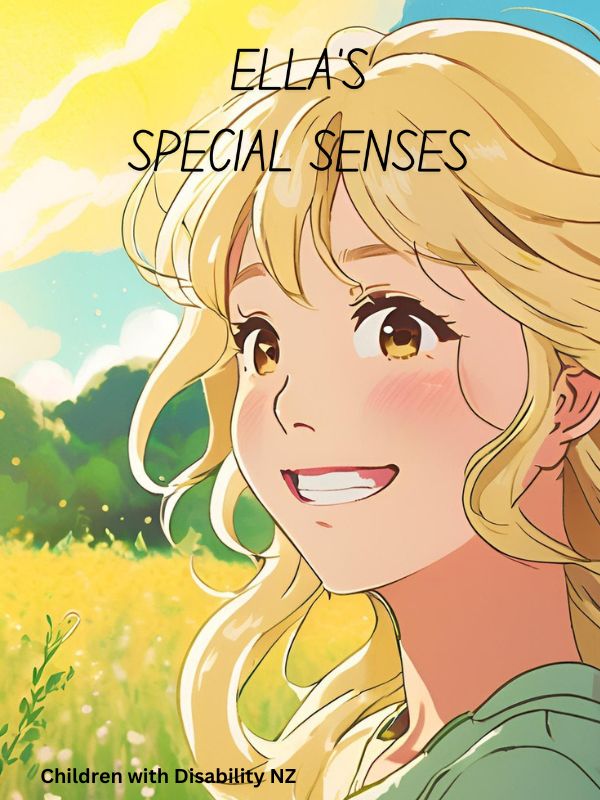
Ella’s Special Senses Audiobook
Ella’s Special Senses PDF
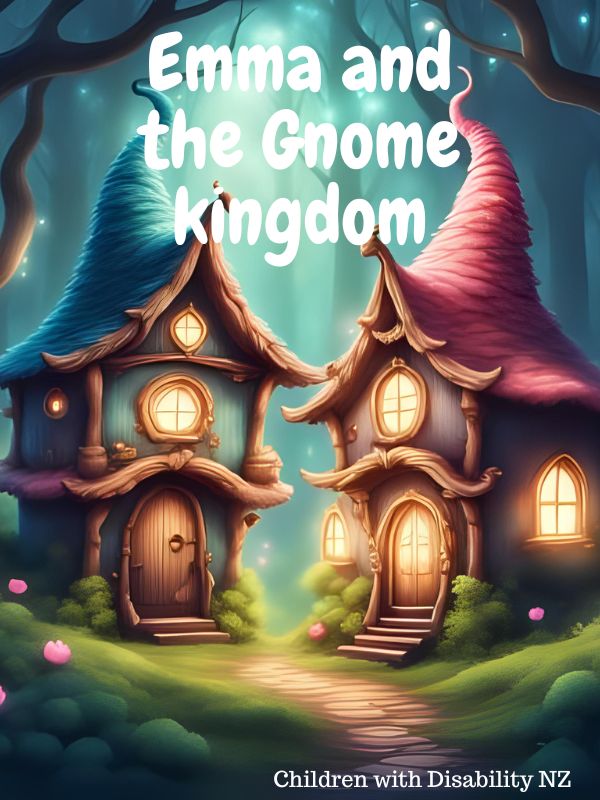
Emma and the Gnome Kingdom Audiobook
Emma and the Gnome Kingdom Bundle
Emma and the Gnome Kingdom PDF

Emma’s Christmas Melody Audiobook
Emma’s Christmas Melody Bundle
Emma’s Christmas Melody PDF
Feeling The World Around Us – Touch Audiobook
Knowing Where We Are – Proprioception Audiobook
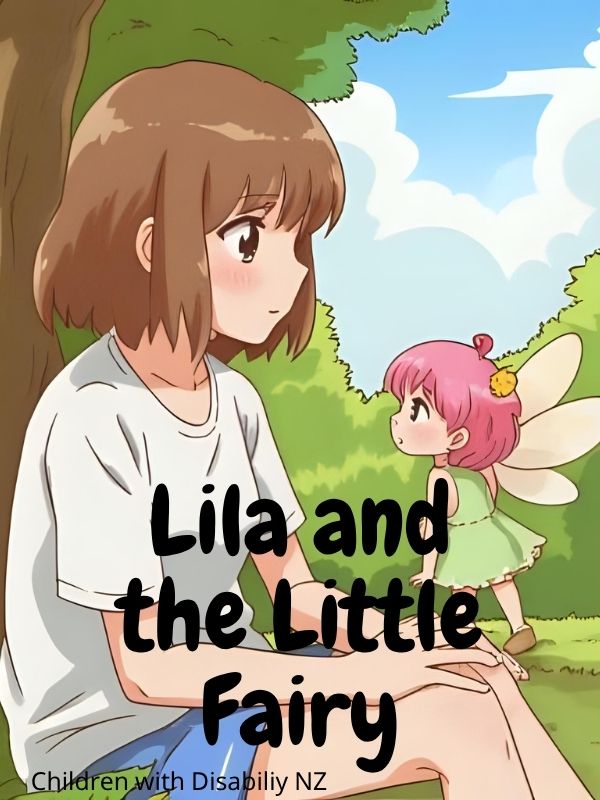
Lila and the Little Fairy PDF

Mary And The Magic Of The Wheelchair Seesaw Audiobook
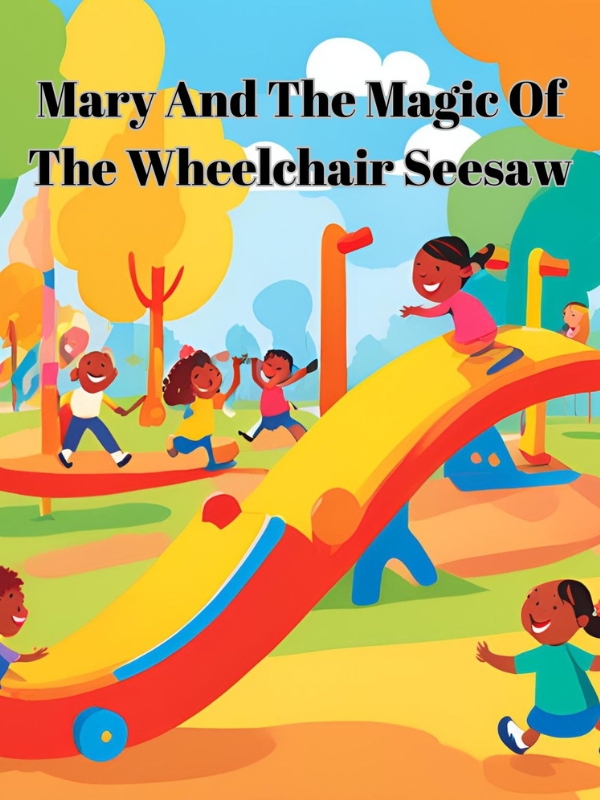
Mary And The Magic Of The Wheelchair Seesaw PDF
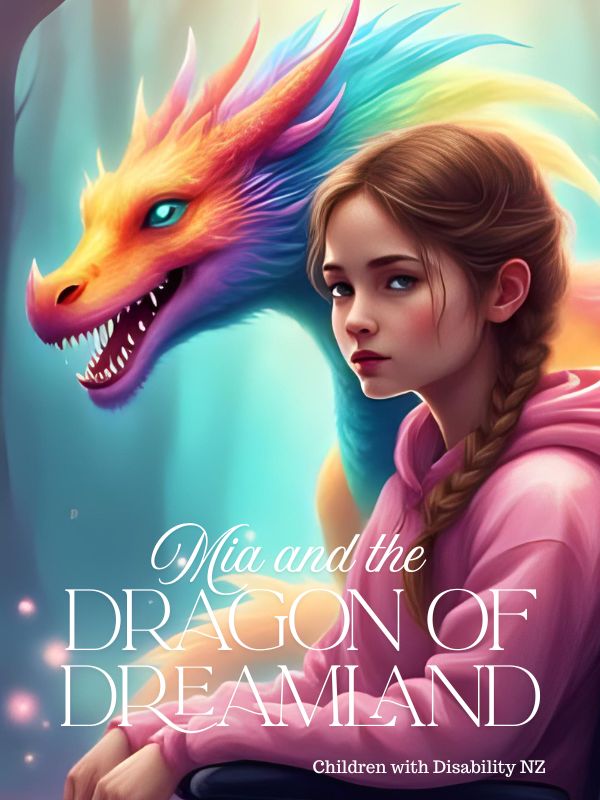
Mia and the Dragon of Dreamland Audiobook
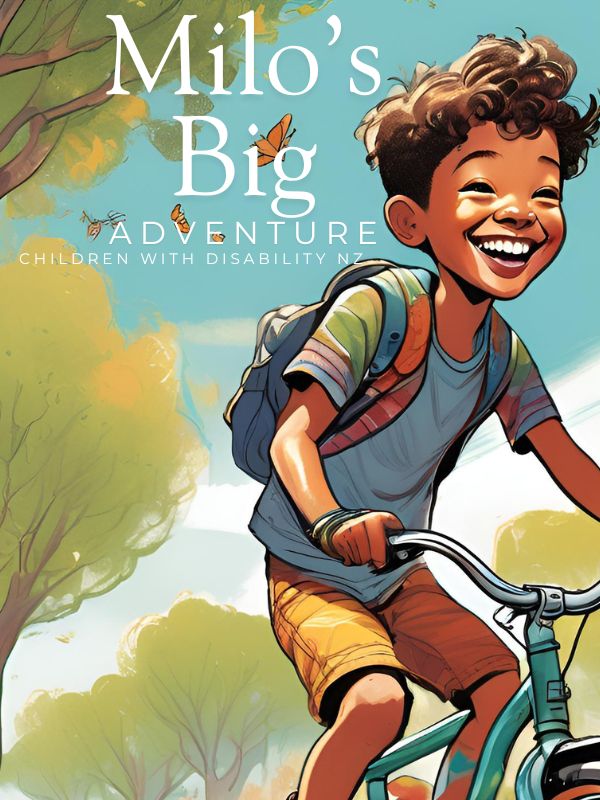
Milo’s Big Adventure Audiobook
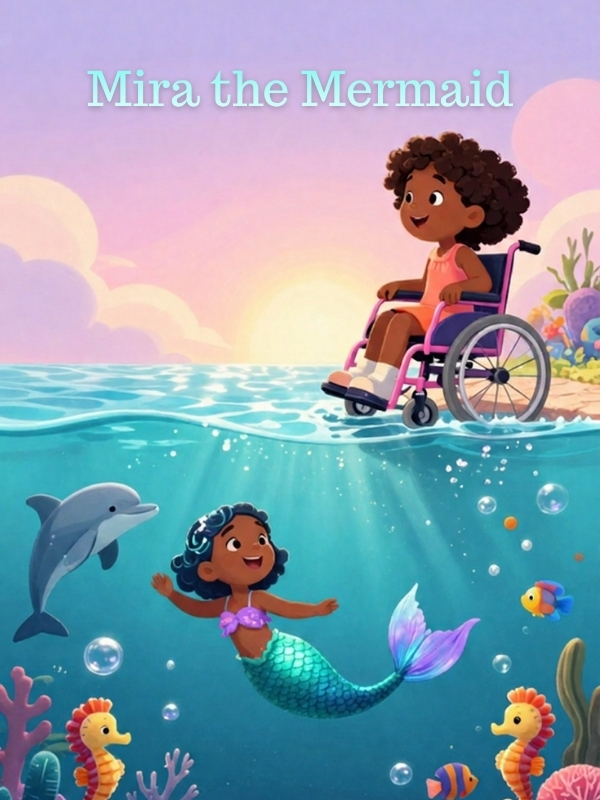
Mira the Mermaid Audiobook
Mira the Mermaid PDF
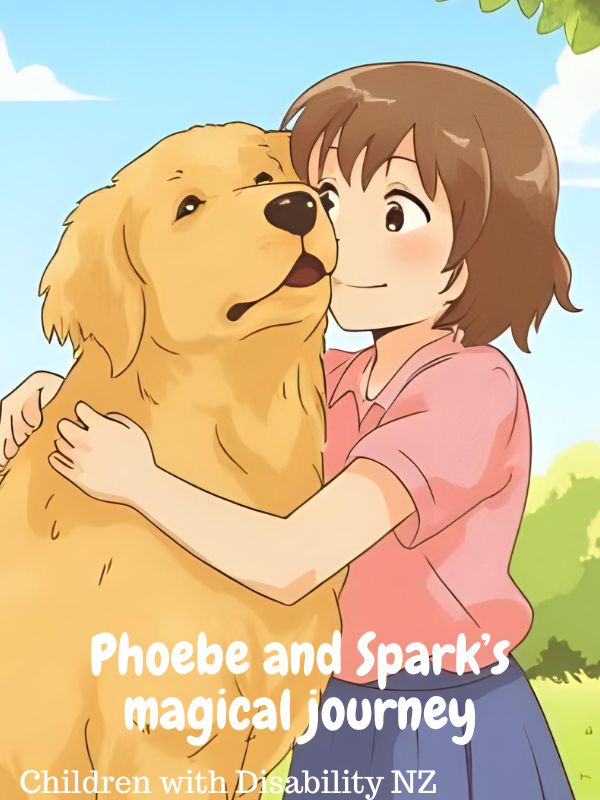
Phoebe and Spark’s Magical Journey PDF
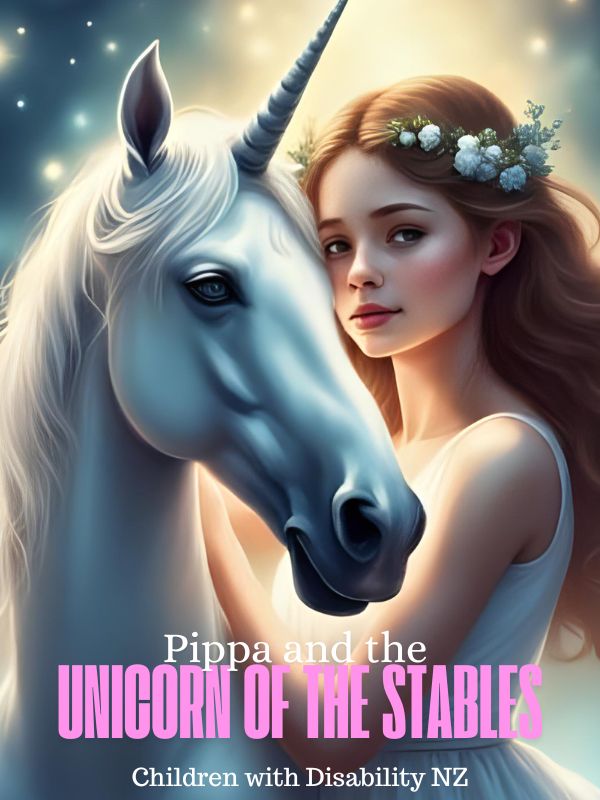
Pippa and the Unicorn of the Stables Audiobook
Pippa and the Unicorn of the Stables PDF
Sandys Summer Splash Audiobook
Sandys Summer Splash PDF
Seeing The World In Our Own Way – Sight Audiobook